
Kiyoshikojin Seichoji Temple is a sacred temple with a history of over 1,000 years, and is a rare center of faith in Japan, enshrining the gods of fire and hearth.
Learning about its deep history and religious background will make your visit to Kiyoshikojin even more meaningful.
2.1 The Origin of Kiyoshikojin and the Origin of Kojin-san
Kiyoshikojin Seichoji Temple is the head temple of the Shingon Sanbo sect of Buddhism, located in Takarazuka City, Hyogo Prefecture.
It was founded in 896 by Sojo Seikan at the request of Emperor Uda.
🔹Stone marker for “Japan’s No. 1 Seisanho Daikojin-o”
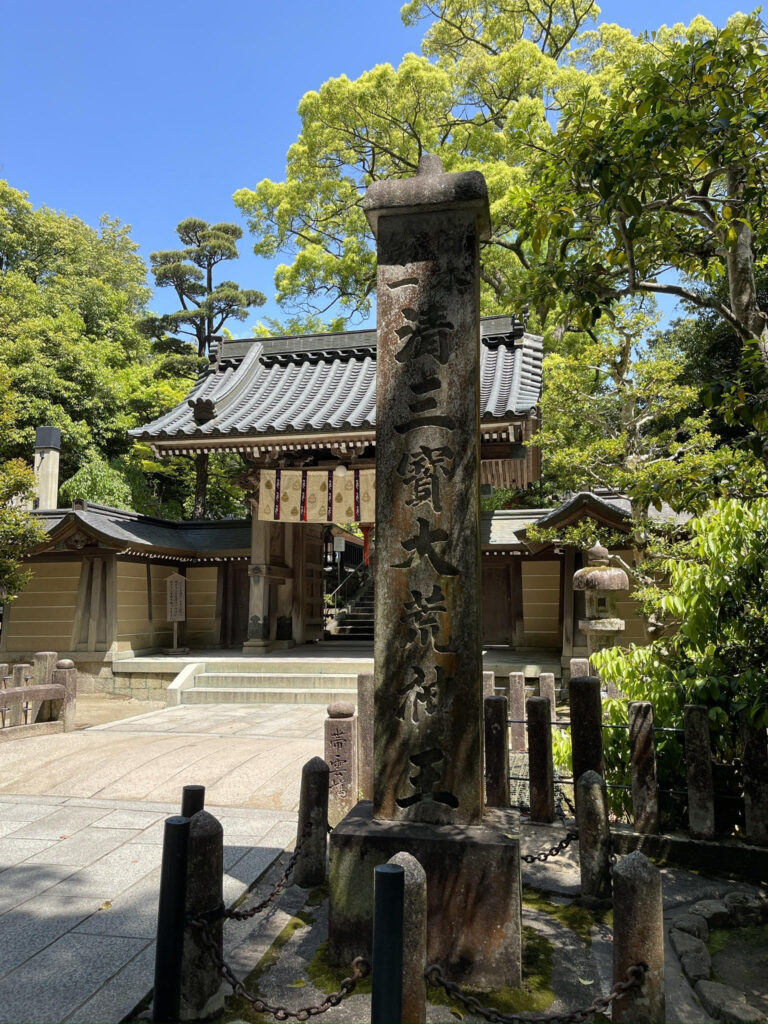
“Kōjin” originally refers to the guardian deity of Shinto and Buddhist deities, and is particularly considered to be the god of fire.
In Buddhism, he is known as “Sanpo Kōjin,” a being that protects the Three Treasures of Buddha, Law, and Sangha.
In folk beliefs, he is widely worshipped as the god who protects the hearth, that is, the god who presides over the safety of the kitchen and fire in the home.
At Kiyoshi Kōjin, this “Sanpo Kōjin” is enshrined as the principal deity, making him a valuable example of Shinto-Buddhist syncretism.
2.2 Belief in Fire and the God of the Hearth
Fire is essential to human life, but it also has the potential to bring disaster.
In ancient Japan, the “kamado” (kitchen) was the center of the home, and by respectfully worshiping the god residing there, people prayed for peace, health, and prosperity in their businesses.
Kojin worship is closely linked to these aspects of daily life, and is said to offer a wide range of benefits, including protection from fires, safety for the home, protection from misfortune, and bountiful harvests.
Kiyoshikojin is particularly popular with the following types of people:
- Prayers for protection from fires when building a new house or moving
- Restaurant workers and other professionals who work with fire
- Housewives praying for family harmony and prosperity for their descendants
- People approaching the age of misfortune
As such, it remains a faith deeply rooted in everyday life and beloved by many people even today.
2.3 Kiyoshikoji Grounds Guide and Main Attractions
The grounds of Kiyoshikojin are located in a tranquil space surrounded by nature, providing a peaceful environment for worship.
The main attractions are listed below.
- Tendo (Worship Hall) and Hondo (Main Hall): These are the central worship areas, where you can offer prayers in a solemn atmosphere.
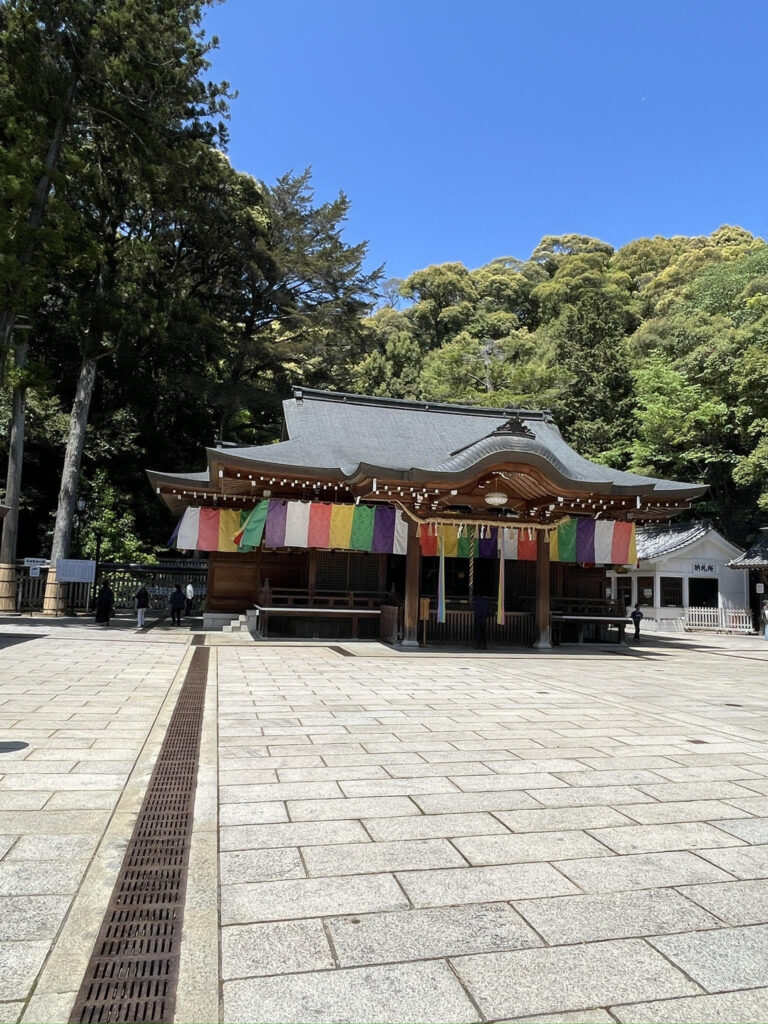
・Kenzokudo: A place where you can receive amulets and prayers, and is especially famous for its “evil-averting fire tongs.”
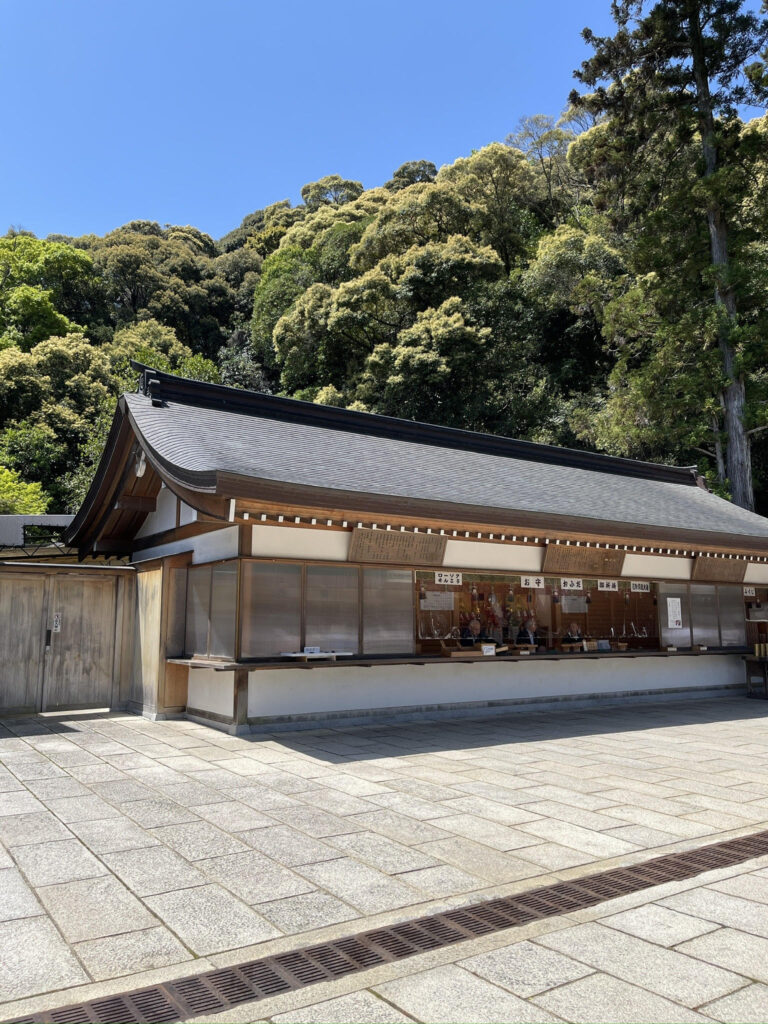
・Historical Museum and Tessai Museum: These facilities allow you to learn about the history and culture of Kiyoshikojin Seichoji and also display works by Tomioka Tessai.
・Ryuo Falls: This tranquil waterfall is a spot where you can appreciate the beauty of nature.
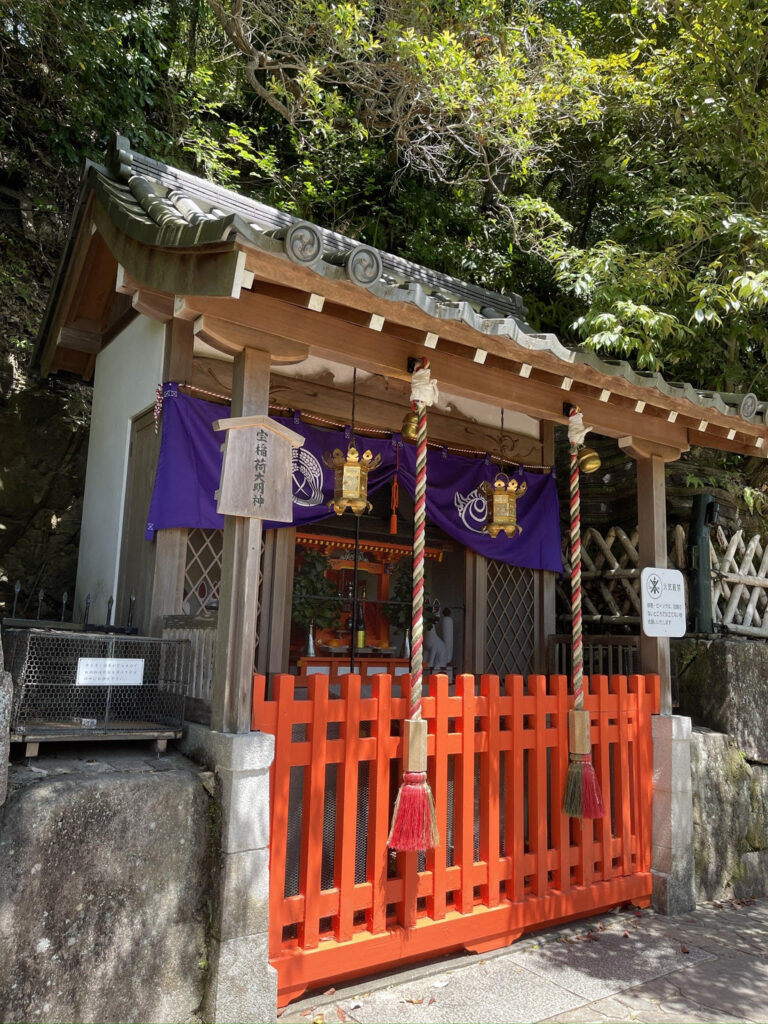
・Takara Inari Shrine: This Inari shrine is said to bring good fortune in business and financial success, and is visited by many worshippers.
・Ichigan Jizo (Water-pouring Jizo): This Jizo is said to grant wishes if you pour water over it while making a wish, making it a popular spot for worshippers.
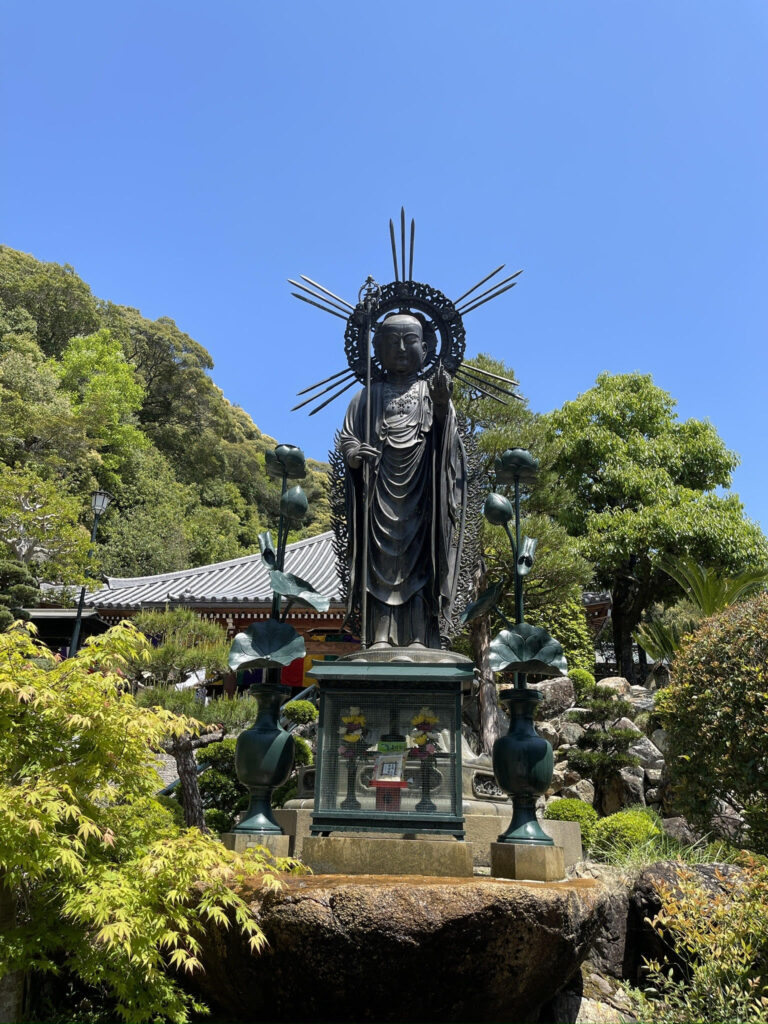
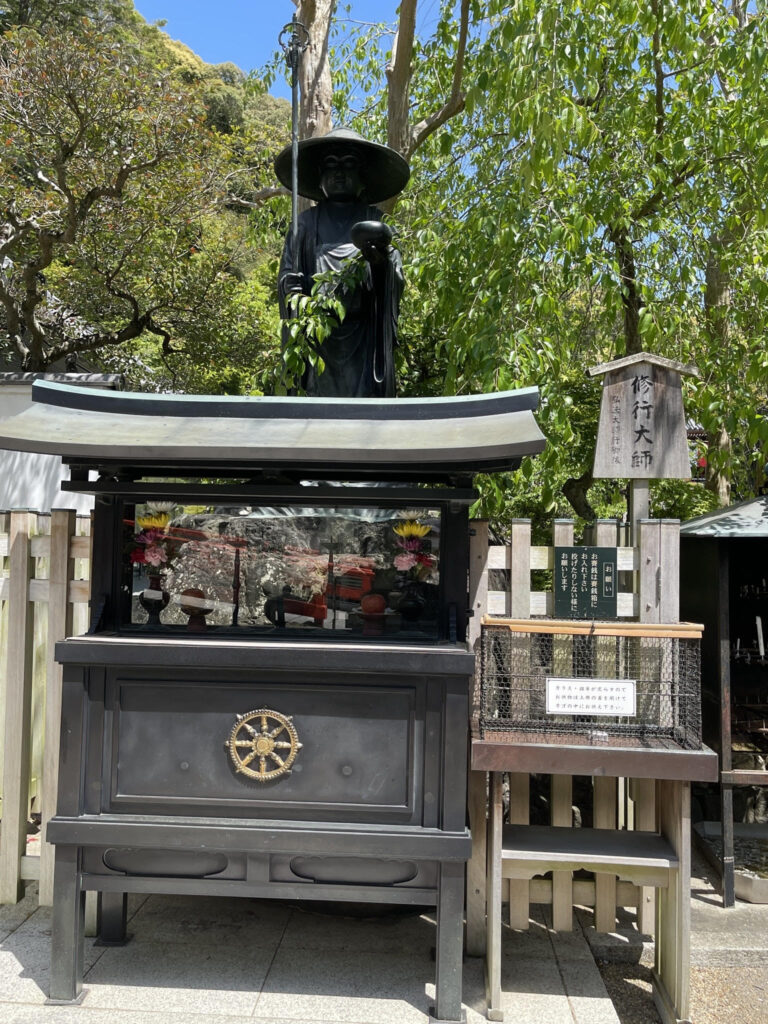
・Statue of Shugyo Daishi: There is a statue of Kobo Daishi (Kukai), the founder of Shingon Buddhism, and you can feel the spirit of training.
・Large Ginkgo Tree: There is a large ginkgo tree that is over 400 years old, and in autumn you can enjoy beautiful autumn leaves.
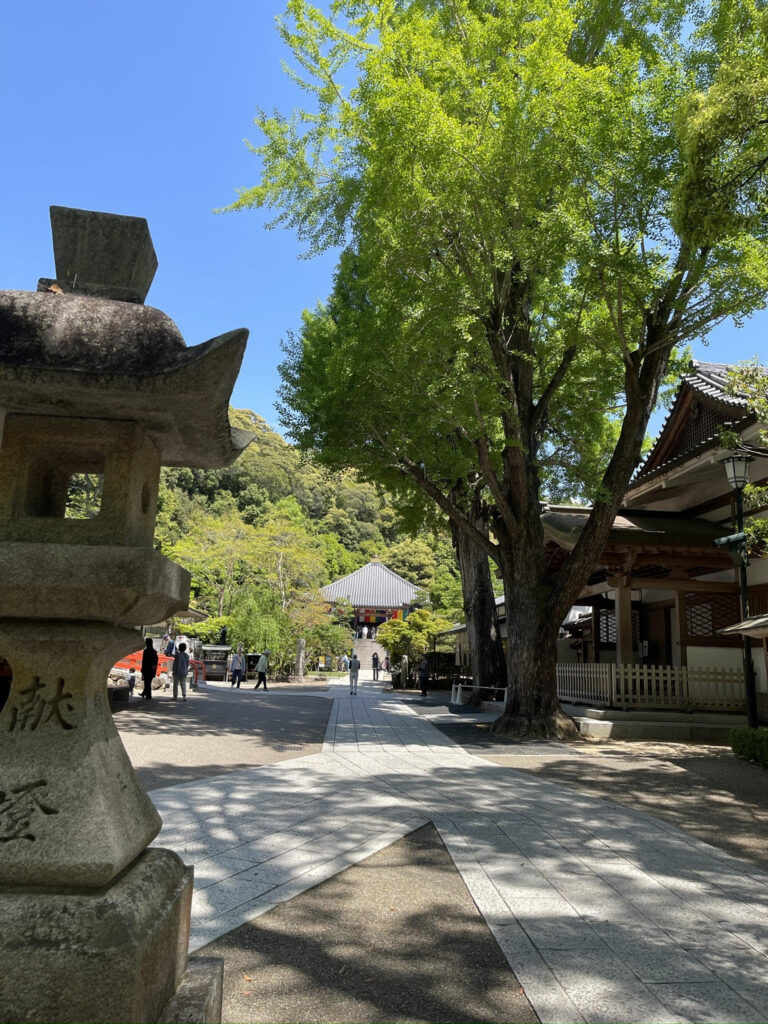
🔸The stone steps and nature trails within the temple grounds
The walking paths, where you can enjoy the changing scenery of the seasons, are the perfect place to soothe your soul.
The temple grounds are beautifully decorated with autumn leaves in the fall and cherry blossoms in the spring.
Kiyoshikojin is recommended not only for religious purposes, but also as a place to refresh your mind and body.